Resources
Better source material makes a better model.
Use these practical field notes to capture references, define scale, review geometry, and prepare a cleaner fabrication handoff.
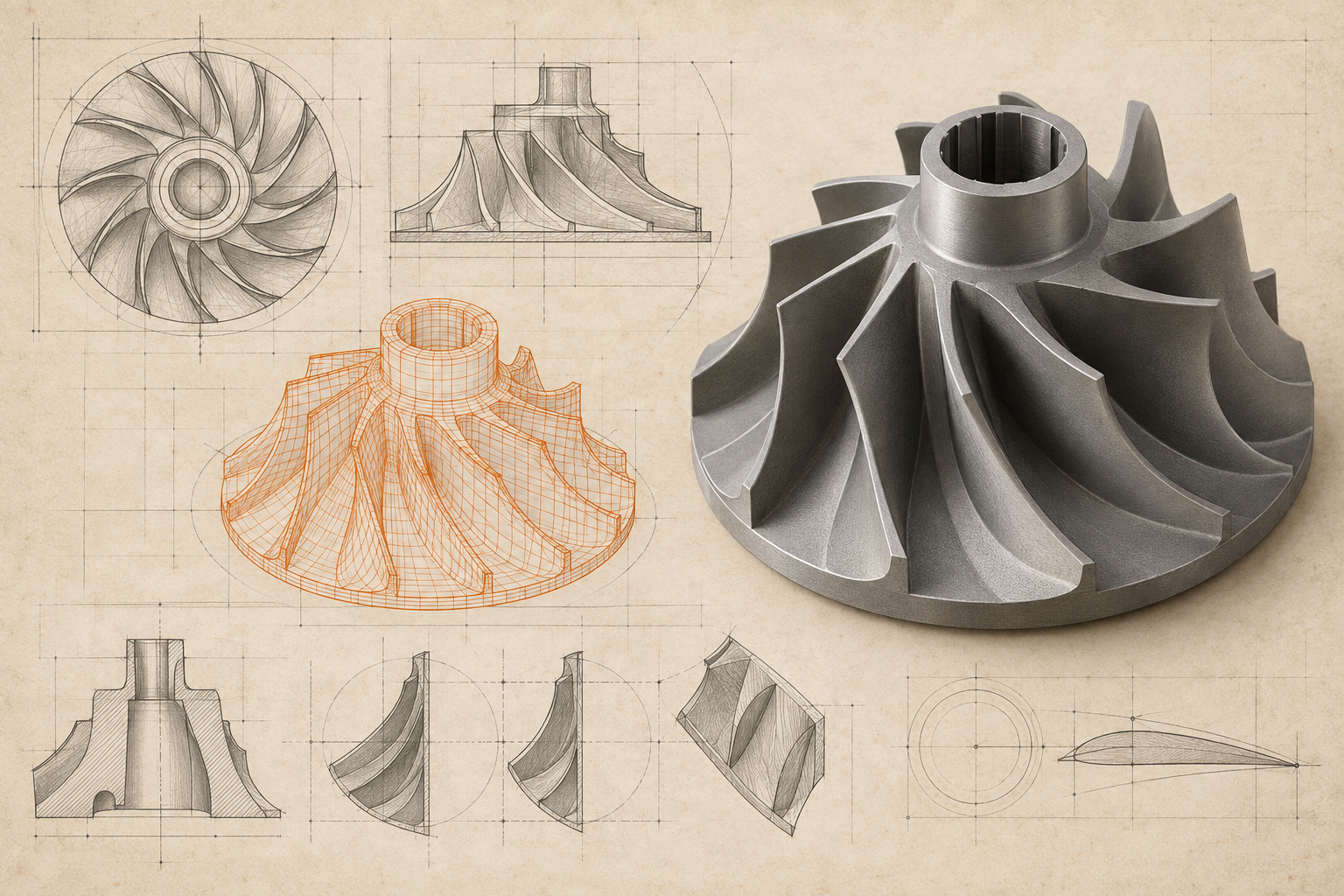
Reference capture
Give reconstruction something reliable to read.
A consistent reference set reduces ambiguity around silhouette, openings, repeated features, and relative scale.
Hold the viewpoint
Keep the object centered and use several deliberate angles instead of many near-duplicate photographs.
Preserve the edges
Use even light and a contrasting background so the object silhouette stays easy to separate.
Include known scale
Add a measured dimension or recognizable reference when the final object must match the physical source.
Mesh review checklist
What to inspect before export.
Geometry quality is only one part of readiness. Review the physical assumptions that affect your intended build.
Closed, watertight volumeCHECK
Manifold edges and consistent normalsCHECK
Minimum wall and feature thicknessCHECK
Scale, tolerance, and fit intentCHECK
Orientation and support-sensitive areasCHECK
Correct downstream file formatCHECK
Common handoffs
Choose the file for the next tool.
STL
A widely supported tessellated surface for straightforward print handoff.3MF
A richer additive-manufacturing package when the workflow needs more model context.OBJ
A portable mesh format useful when surface and material references must travel together.STEP
A solid-model handoff for compatible engineering workflows and further CAD work.Apply it to your object